Give your face new harmony with a gentle nose reduction. Our doctors at the Deutsches Nasenzentrum® shape your nose subtly and precisely, with the aim of a natural and aesthetic appearance.
Improving facial harmony through a nose that suits the proportions of the face better
Reducing conspicuous nasal features such as a broad or long nasal tip
Wish for a more subtle, aesthetically more appealing appearance
Relieving functional complaints such as breathing problems caused by the size of the nose
What is meant by a nose reduction?
A nose reduction is an aesthetic surgical procedure that aims to reduce the size and shape of the nose in order to adapt it more harmoniously to the proportions of the face. Patients often perceive their nose as too large, too broad or disproportionate in comparison with the rest of their facial features. This can affect self-confidence and lead to dissatisfaction with their appearance. Nose reduction, a form of rhinoplasty, addresses these concerns by shaping the nose so that it looks more natural and balanced. The procedure can have both cosmetic and functional aims, and it can improve not only the outer shape but also nasal breathing.
What restrictions come with a nose reduction?
After a nose reduction, some temporary restrictions can occur that are part of the natural healing process. Immediately after the operation, swelling, bruising and a slightly blocked nose can occur, making breathing more difficult. However, these symptoms are normal and usually subside within the first two weeks. The healing process can also mean that the nose reacts sensitively to touch and shows increased sensitivity. During this time it is important to avoid activities that could put strain on the nose or endanger it, such as intensive physical activity or wearing glasses that put pressure on the bridge of the nose. In addition, the head should, where possible, be kept raised in the first few days in order to minimise swelling. It is important that patients are patient with the healing process, as it can take some months until the final result is fully visible.
Deutsches Nasenzentrum®: possible aims of a nose reduction
Improving breathing function by correcting narrowings or structural anomalies
Reducing nasal obstructions by adjusting the nasal structures for better airflow
Relieving chronic complaints such as headaches or a feeling of pressure, where they are due to narrowed nasal passages
Stability and functionality of the nasal structure through careful reduction and reconstruction
What treatment options are there for a nose reduction?
A nose reduction can be performed with various surgical techniques, depending on the patient’s specific needs and goals. The most common methods include reducing the width of the nose, reducing the nasal tip, reducing the nasal bridge and reducing the height and length of the nose.
These techniques can be used individually or in combination. In the planning phase, the surgeon will address the patient’s individual wishes and anatomical conditions in detail in order to determine the suitable treatment.
Methods compared
The most common methods compared
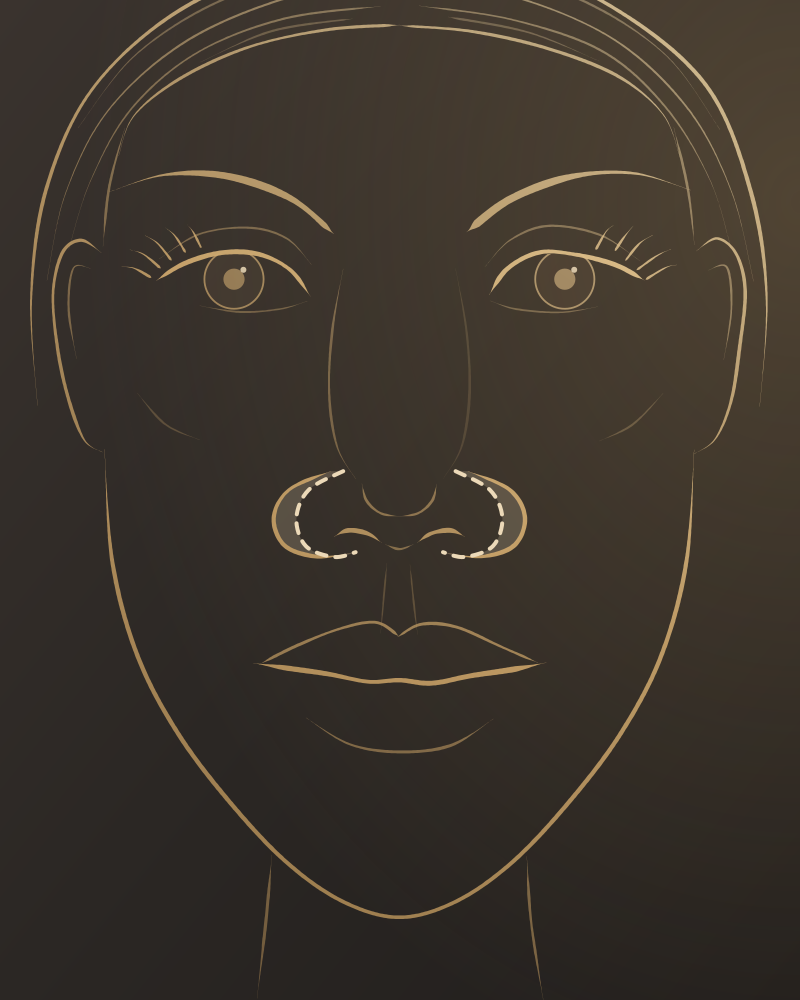
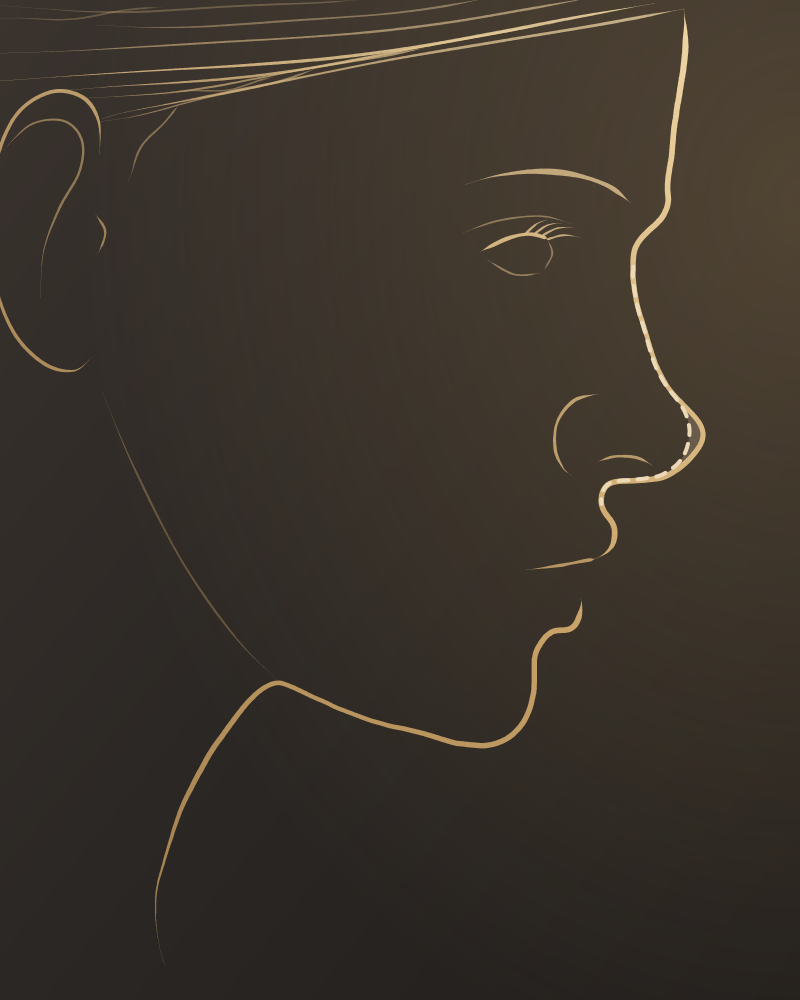
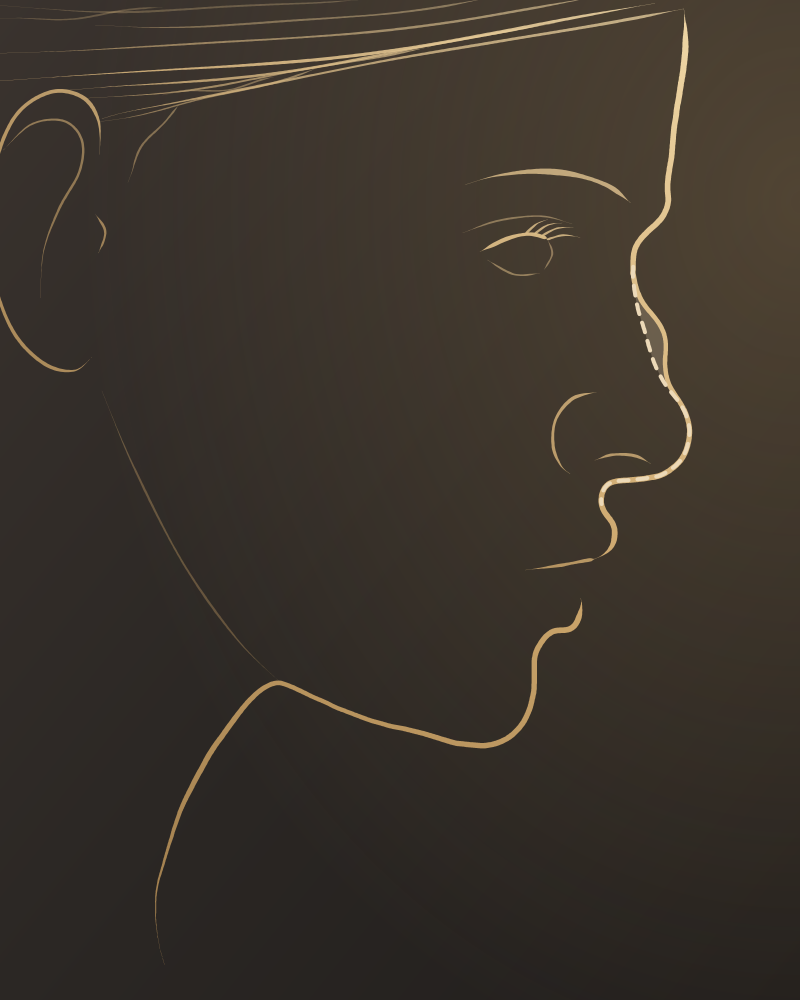
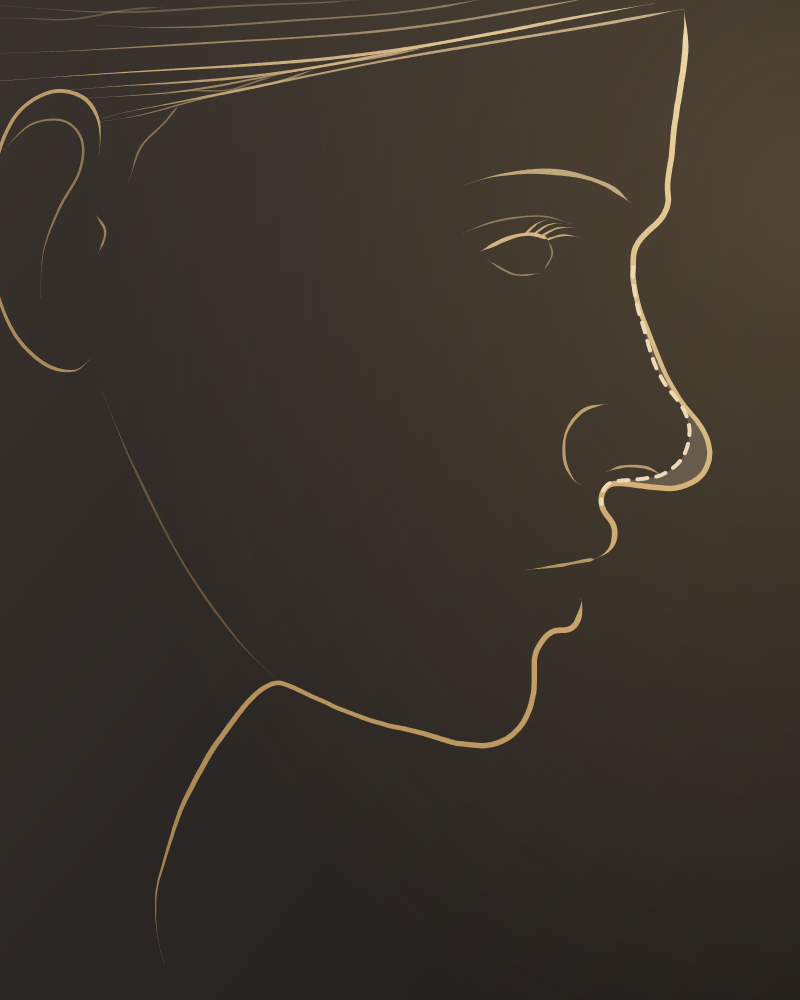
These techniques can be used individually or in combination. The drawings show schematically what changes on the nose.
Reducing the width of the nose
If the nose looks too broad in relation to the face, the surgeon can reduce the width of the nasal base by removing tissue and realigning the nostril wings. This technique is intended to give the nose a narrower and finer appearance.
Procedure on
Nasal base and nostril wings
Aim
a narrower nose
Reduction of the nose tip
A nasal tip that is too large or bulbous can dominate the face. Through precise procedures on the cartilage of the nasal tip, it can be reduced and refined so that it fits the other facial features better.
Procedure on
cartilage of the nose tip
Aim
a finer tip
Reduction of the nasal bridge
In patients with a pronounced nasal hump or a nasal bridge that is too high, it can be lowered to balance the profile and aim for a harmonious side view. This is often done by removing excess bone and cartilage.
Procedure on
Bone and cartilage of the nasal bridge
Aim
a balanced profile
Reducing the height and length of the nose
In the case of an excessively long or high nose, the nasal structure can be adjusted so that the nose appears shorter and more proportionate. This is often achieved by shortening the nasal cartilage and reshaping the nasal bridge.
Procedure on
Nasal cartilage and nasal bridge
Aim
a shorter, more proportionate nose
How does the treatment for a nose reduction work?
A nose reduction begins with a detailed consultation and planning. The surgeon discusses the desired changes with the patient and carries out a thorough examination of the nasal structure. This also includes an analysis of the facial features to make sure that the changes fit harmoniously into the overall appearance. Based on this analysis, the surgeon develops a detailed surgical plan.
On the day of the operation, the procedure is usually performed under general anaesthesia to make it as comfortable as possible for the patient. The duration of the operation varies depending on complexity, but usually lies between one and three hours. The surgeon makes precise incisions, which in open rhinoplasty are placed at the columella and in closed rhinoplasty exclusively inside the nose, in order to minimise scarring.
During the operation, the surgeon removes excess tissue, bone or cartilage and reshapes the nose in order to achieve the desired size and shape. After the operation, the nose is stabilised with a special splint to support healing and secure the new shape. In the first days after the procedure, the patient is closely monitored to make sure that healing proceeds as planned.
The post-operative phase requires particular care. Swelling and bruising are normal during this time, and it is important to follow the doctor’s instructions on caring for the nose exactly. Most patients can take up light activities again after a week, but should avoid intensive physical strain and direct sunlight for several weeks.
Your timeline for the nose reduction
This is how a nose reduction proceeds at the Deutsches Nasenzentrum®, from the consultation to the result:
Step 1
Beforehand
Consultation in Nuremberg. We discuss the desired changes, examine the nasal structure and analyse your facial features. The operation plan is based on this; you can book your appointment online.
Step 2
Day of surgery
The procedure. Surgery takes place in Wertheim. The operation is usually performed under general anaesthesia and, depending on its extent, usually takes one to three hours. Afterwards a splint stabilises the nose.
Step 3
The first few days
In the clinic. You stay one to two nights. Swelling, bruising and a blocked nose are common; keep your head raised where possible.
Step 4
Weeks 1 to 2
Plaster splint. You wear the plaster splint and do without nicotine, sunbathing and sport. After about a week, light activities are usually possible again.
Step 5
After about 14 days
Back to everyday life. The stitches are removed, and you are back out among people after one to two weeks. In most cases you are unfit for work for about 14 days.
Step 6
Up to week 6
No glasses. For the first six weeks you do not wear glasses that press on the bridge of the nose, and you avoid intensive physical strain.
Step 7
After a few months
The result. Some months can pass until the final result is visible. We will see you again for the follow-up appointments.
What does the result of a nose reduction depend on?
The result of a nose reduction depends essentially on the procedure being carefully planned and carried out by an experienced and qualified surgeon. The aim is to achieve a more harmonious overall appearance by adapting the size of the nose to the proportions of the face.
Functional improvements, such as easier nasal breathing, can also be an aim of the procedure. However, it is important that patients have realistic expectations and understand that the healing process takes time until the final result becomes visible.
What restrictions and risks are there with a nose reduction?
As with any operation, there are potential risks and limitations with a nose reduction too. These include general risks such as infections, bleeding or reactions to the anaesthetic. Specific risks of nose reduction can include undesired scarring, asymmetries or unsatisfactory aesthetic results, which in rare cases might require a secondary correction.
Temporary swelling, bruising and restricted nasal breathing are normal in the first weeks after the operation. However, these symptoms usually subside within a few weeks. In the long term, in rare cases problems such as instability of the nasal structure or scarring may occur, which could impair breathing.
It is important that the patient follows the instructions on post-operative care carefully and attends regular follow-up appointments in order to support the healing process and minimise potential risks.
What does a nose reduction cost in Nuremberg? Costs and financing
The costs of a nose reduction depend on the extent of the procedure and on which techniques are combined; more on the costs of rhinoplasty on the Rhinoplasty in Nuremberg page. Following your consultation, we will prepare a treatment quote for you.
The treatment prices are final prices including statutory VAT. Overnight stay and meals, follow-up treatments and the costs of the anaesthetist are not added afterwards. If you wish, you can take out follow-up cost insurance against the costs of possible follow-up procedures, which we offer at cost price. Financing is possible through our financing partner; more on this under Financing your treatment.
What should I look for in a doctor who is to reduce my nose?
Choosing the right surgeon is decisive for the success of a nose reduction. Make sure that the surgeon specialises in rhinoplasty and has extensive experience in nasal surgery. A qualified specialist in plastic and aesthetic surgery with experience in the ENT field and a special focus on rhinoplasty is a good choice.
Check the doctor’s qualifications, in particular certifications and memberships of recognised specialist societies, and ask about his experience with the planned procedure during the consultation.
Another important aspect is the trust between patient and surgeon. The surgeon should take enough time for a detailed consultation in order to understand your wishes and expectations. He should explain the entire course of the operation, the risks and the necessary aftercare measures to you in an understandable way. Good communication and an open, trusting relationship are important so that your expectations of the operation are realistic.
At the Deutsches Nasenzentrum® led by Dr. med. Michael Bromba, we carry out nose reductions with decades of experience and with care. Arrange your appointment for a personal consultation in Nuremberg.
When does German statutory health insurance pay for a nose correction?
If the operation is necessary because of a functional disorder of the nose, private health insurance or Beihilfe (German civil service allowance) may cover part of the costs. This does not apply to the aesthetic part of the nose correction. Please discuss this with your private health insurance or Beihilfe. For people with statutory insurance, reimbursement by their German statutory health insurance fund is possible if there is a medical indication and the treatment takes place in our central clinic. You will receive further information in your personal consultation.
How painful is nose surgery and how long is the nose swollen?
Any pain that occurs can usually be treated well with accompanying medication. Slight swelling and haematomas under the eyes are possible, but they have usually subsided by the time the cast is removed.
How long is the stay in the clinic for a nose correction?
As a rule, you can leave the clinic one day after the correction. In a few exceptional cases you stay for a second night for observation. Smaller procedures can be done on an outpatient basis.
How should I behave straight after a nose correction, how long do I have to wear a cast and when can I return to sport?
In the first one to two weeks, wear a plaster splint applied straight after the correction, with an adhesive or acrylic dressing. Avoid nicotine, sunbathing and sport during this time. Wash your hair with your head bent forward. In the first six weeks after the nose correction you should also refrain from wearing glasses.
How long will I be signed off sick after nose surgery?
Naturally, this depends on which type of nose correction is necessary and advisable in your case. It makes a difference whether we merely perform a nasal tip correction, only straighten the nose or carry out a full nose correction. In most cases you are unfit for work for 14 days, in exceptional cases somewhat longer. Your treating doctor can tell you how much time off work to expect in your case if healing goes well.
What does a nose reduction cost in Nuremberg?
The costs depend on the extent of the procedure and on which techniques are combined. After your consultation at LINCURA you will receive a treatment quote. The prices are final prices including overnight stay, meals, follow-up treatments and anaesthesia; financing is possible through our financing partner.
Book consultation
Find your consultation appointment now
Your consultation in 3 steps:
Choose treatment
Choose preferred appointment
confirm by code
Treatment
Type of appointment
Appointment
Your details
Confirm
Which treatment are you interested in?
Click on the area you are interested in:
No matching treatment found. Choose “Still undecided?” in an area and we will call you.
In meiner Verzweiflung mit meinem Haarausfall, war ich auf der Suche nach Hilfe im Internet und dann kam die Rettung. Ich fand die Praxis von LINCURA!!! Das gesamte Team ist sehr Kompetent, Freundlich und Aufmerksam. Alle Behandlungen waren bei mir Erfolgreich. Ich kann die Praxis mit besten Gewissen weiterempfehlen. Vielen Dank nochmals an das gesamte Team.🤩
Immacolata C. · August 2023
Nach mehreren erfolglosen Hautarztbesuchen kam ich zu Lincura. Erst eine Untersuchung mit der Mikroskopkamera, dann eine professionelle Tiefenreinigung der Kopfhaut und danach die PRP, aber entgegen vorher schmerzfrei und wesentlich mehr Injektionen mit einer Mesohairpistole. Nach einigen Monaten sprießen jetzt wieder viele kleine Haare. Die Chefin meinte, dass die Reinigung mit persönlich abgestimmter Rezeptur so wichtig war. Super kompetente und freundliche Praxis, ich bin echt begeistert und werde wieder zur Prophylaxe gegen weiteren Haarausfall kommen.
Stefan M. · September 2022
I know similar treatments from my home country Ukraine.
The first scalp cleansing alone stopped my hair loss after two weeks.
According to the follow-up examination, no Mesotherapy or PRP is necessary for the time being.
But I would have them done there too. Very trustworthy advice, and recommended!
Julia L. · July 2022
Die Lincura Praxis ist einfach spitze! Von A-Z , meine Haare sind nun nachdem die Behanldung vor 7 Monaten war voller und die Kopfhaut fühlt sich nach jeder Behandlung unbeschreiblich gut an! Man wird verstanden und das Personal ist absolut professionell und extem freundlich. Danke!!!
Selina J. · July 2022
Hochprofessionelles Personal, das einem ein durchweg positives Gefühl vermittelt und jederzeit für Fragen und Wünsche zur Verfügung steht. Ich würde Lincura jedem weiterempfehlen, der auf der Suche nach einer Lösung gegen Haarausfall ist.
Felix R. · July 2022
Bin seit 2019 regelmäßig zur Behandlung dort.Kreisrunder Haarausfall ist weg.Freundliche,kompetente Beratung und Durchführung.
Danke für die tolle Unterstützung in der schweren Zeit.
Verena P. · June 2022
Den Beratungstermin habe ich sehr schnell bekommen und dann wurde ich hier sehr ausführlich und höflich beraten und mein Problem wurde ernst genommen. Das finde ich sehr wichtig, dass man mir hier genau zugehört hat und mich einzeln betrachtet hat, vor allem nach früheren Erfahrungen in anderen Plätzen, wo ich gehört habe, dass mein Haarausfall völlig normal ist. War aber nicht und bei Lincura habe ich Hilfe gefunden. Jeder Schritt der Behandlung wurde mir erklärt, alles war entspannend, angenehm und schmerzlos und alle Mitarbeiter waren immer höflich. Nach vier Behandlungen sind meine Haare deutlich kräftiger geworden und der Hausausfall ist nicht mehr so intensiv. Mit den da gekauften Produkten bin ich auch echt zufrieden und werdendie auf jeden Fall weiter benutzen. Das war eine richtige Entscheidung, Lincura Praxis zu wählen, vielen Dank für Eure Arbeit und Hilfe.
Sonia N. · May 2022
Rundum Wohlfühlen ist hier das Programm. Super entspannende Behandlungen und angenehme Atmosphäre. Ich freu mich schon aufs nächste Mal
Nadine D. · May 2022
Professionelles Studio, super nett und modern. Genau das was ich in diesem Bereich suche. Danke!
Thilo S. · March 2021
Spitzen Beratung mit Fachkompetenten Kollegen
Jeder der Haarprobleme hat sollte da mal hin die nehmen sich wirklich Zeit für dich.
Haben bei meiner 3 Jahre alten Tochter geholfen die einen Kreisrunden Haarausfall hatte.
Vielen vielen Dank euch allen.
Super Praxis 👍🏻
Yalcin B. · May 2019
Super zufrieden ! Ich war zur professionellen Kopfhautreinigung in der Praxis und bin total begeistert. Meine Haare sind schon nach dem ersten Mal wesentlich weicher und voluminöser. Die Behandlung selbst ist super entspannend und angenehm. Werde die Behandlung auf jeden Fall wiederholen.
Marcel S. · April 2018
DIE HAARAUSFALL PROPHYLAXE BEHANDLUNG BEI LINCURA IST PERFEKT UND NICHT MEHR WEGZUDENKEN NACH DER ERSTEN BEHANDLUNG.
1/2 JÄHRLICH ZU EMPFEHLEN
FÜR MÄNNER UND FRAUEN